

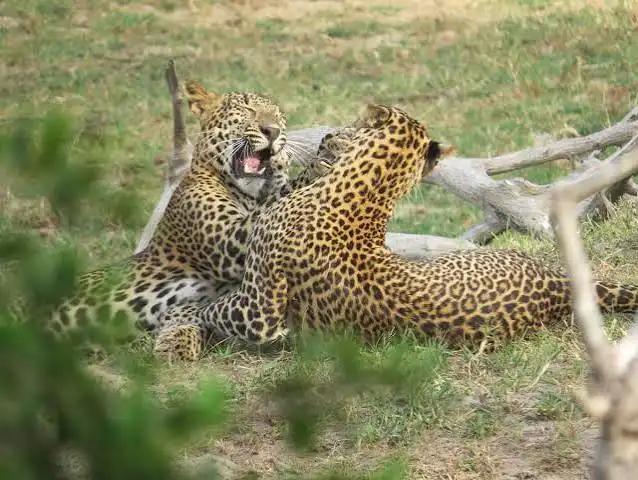
Wildlife
Everything you need to know before planning your Yala safari — leopard tracking, elephant herds, safari jeep logistics, and wildlife tips.
If seeing wild elephants, leopards, crocodiles, sloth bears, and colourful birds in their natural habitat is on your Sri Lanka travel list, Yala National Park should be high on your itinerary. Located in the southeast of Sri Lanka, Yala combines dry-zone forests, open grasslands, lagoons, wetlands, rocky landscapes, and coastal habitats supporting a remarkable range of wildlife.
One of the highest leopard densities in the world
Encounter Asian elephants, sloth bears, spotted deer, and mugger crocodiles
Diverse ecosystems spanning dry forests, open savannahs, and lagoons
Safari bases around Tissamaharama and Palatupana entrance
Responsible ethical safari guidelines and best photography timings
If seeing wild elephants, leopards, crocodiles, sloth bears, and colourful birds in their natural habitat is on your Sri Lanka travel list, Yala National Park should be high on your itinerary.
Located in the southeast of Sri Lanka, Yala combines dry-zone forests, open grasslands, lagoons, wetlands, rocky landscapes, and coastal habitats. This variety of environments supports a remarkable range of wildlife. Sri Lanka Tourism highlights Yala for its leopard population and diverse wildlife.
But Yala is not a zoo. Wildlife sightings are never guaranteed, and the experience depends on the animals, weather, season, and the skill of your safari team.
Here is everything you need to know before planning your Yala safari.
Why Visit Yala National Park?
Yala is one of Sri Lanka's most famous wildlife destinations and one of the country's most visited national parks.
The park is particularly famous for its Sri Lankan leopards, but there is much more to discover.
Depending on the conditions and your safari route, you may encounter:
Yala's combination of forests, grasslands, lagoons, tanks, and coastal environments creates habitats for a wide variety of animals.
Where Is Yala National Park?
Yala is located in the southeastern region of Sri Lanka, extending across parts of the Southern and Uva regions.
The main tourist access points include areas around Palatupana and Katagamuwa, while towns such as Tissamaharama and Kataragama are commonly used as bases for visitors.
For many travellers, staying around Tissamaharama the night before a safari is convenient because early morning safaris require an early start.
Understanding Yala National Park
Yala is divided into several blocks, although only designated areas are open to public tourism at any given time.
The Department of Wildlife Conservation manages access through permits and regulations. Visitors are required to enter national parks under the conditions set by the DWC.
The landscape is not simply dense jungle. You can find:
This diversity is one of the reasons Yala can offer such varied wildlife experiences.
The Yala Safari Experience
The most popular way to explore Yala is by safari jeep.
A typical safari takes you along designated tracks while a driver and/or wildlife tracker looks for animals.
The experience is not simply about finding a leopard. A good safari is about observing wildlife behaviour and understanding the ecosystem around you.
You might spend several minutes watching an elephant herd, observe a crocodile resting near a water body, or discover colourful birds that you would otherwise miss. And sometimes, you may spend a long time searching before seeing anything spectacular.
That uncertainty is part of being in the wild.
Looking for Leopards
Leopards are one of the biggest attractions at Yala.
The park is internationally recognised for its high leopard density, and Sri Lanka Tourism specifically recognizes Yala as a premier destination to observe these apex predators in their natural habitat.
Tips for an Unforgettable Yala Safari
JOURNAL
Explore more stories from the Wildlife category
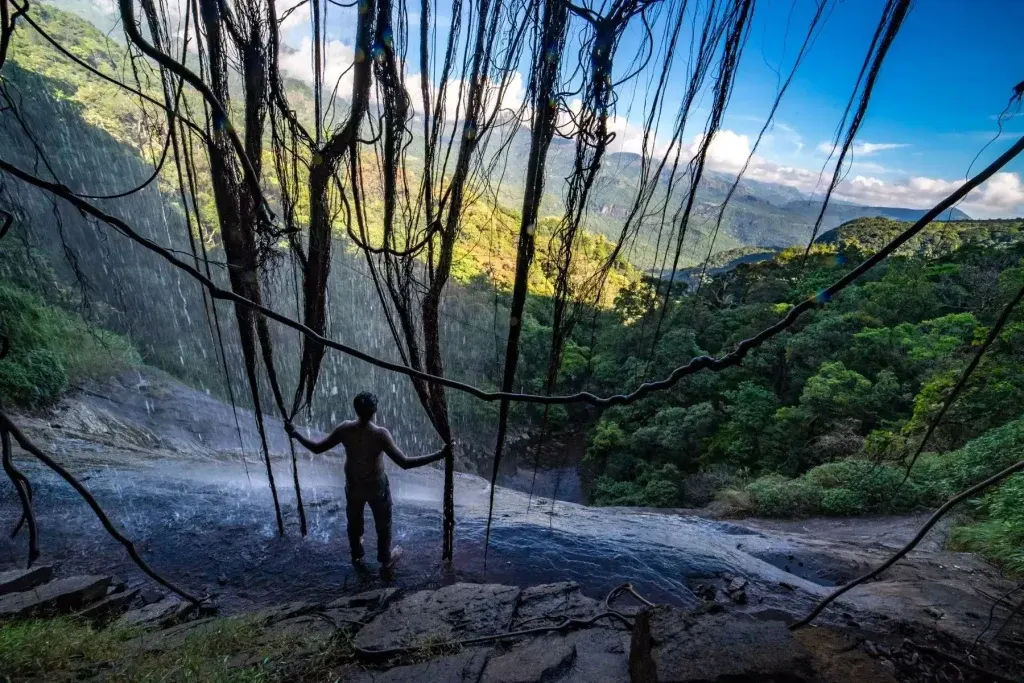
From misty hill-country trails to challenging mountain climbs, discover the 10 best hiking destinations to explore in Sri Lanka.
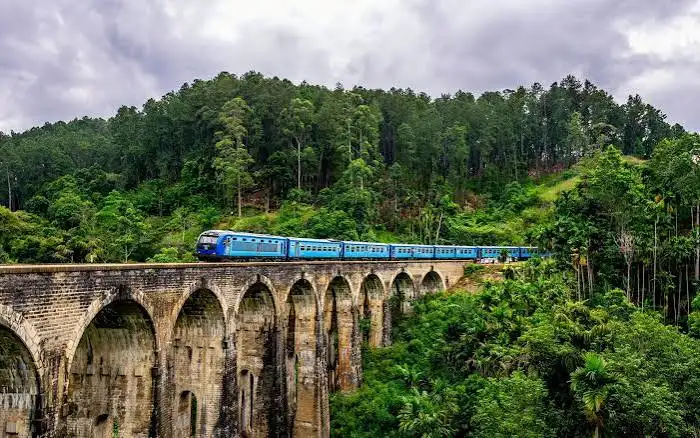
Everything you need to know about Sri Lanka's most scenic train ride — routes, tea plantations, tickets, Nine Arch Bridge, and travel tips.
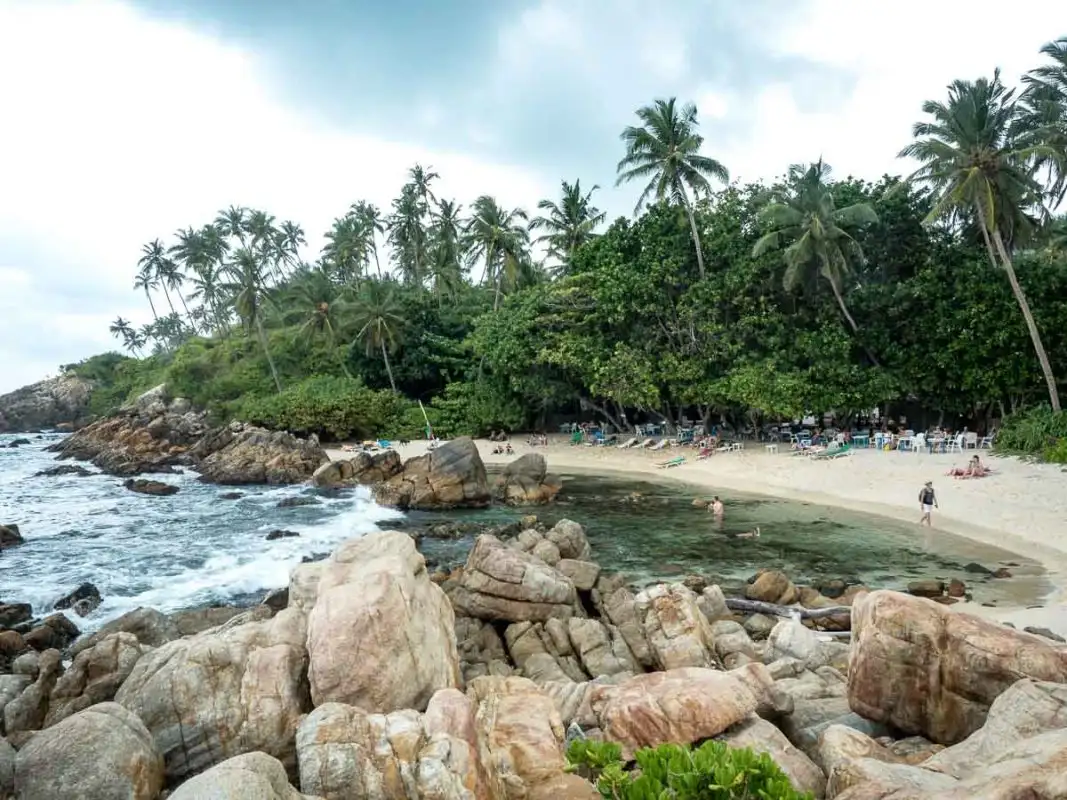
Discover 7 tranquil, crowd-free beaches in Sri Lanka — from secluded southern coves like Talalla and Goyambokka to eastern clear waters.
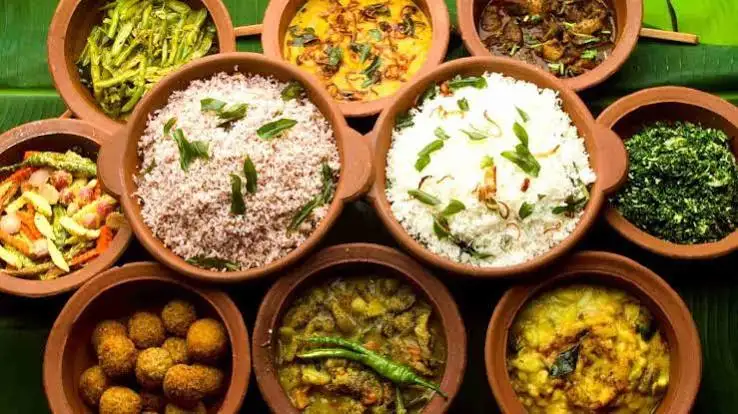
From hot kottu and crispy egg hoppers to pol sambol and sweet watalappan — explore the essential flavours of authentic Sri Lankan cuisine.
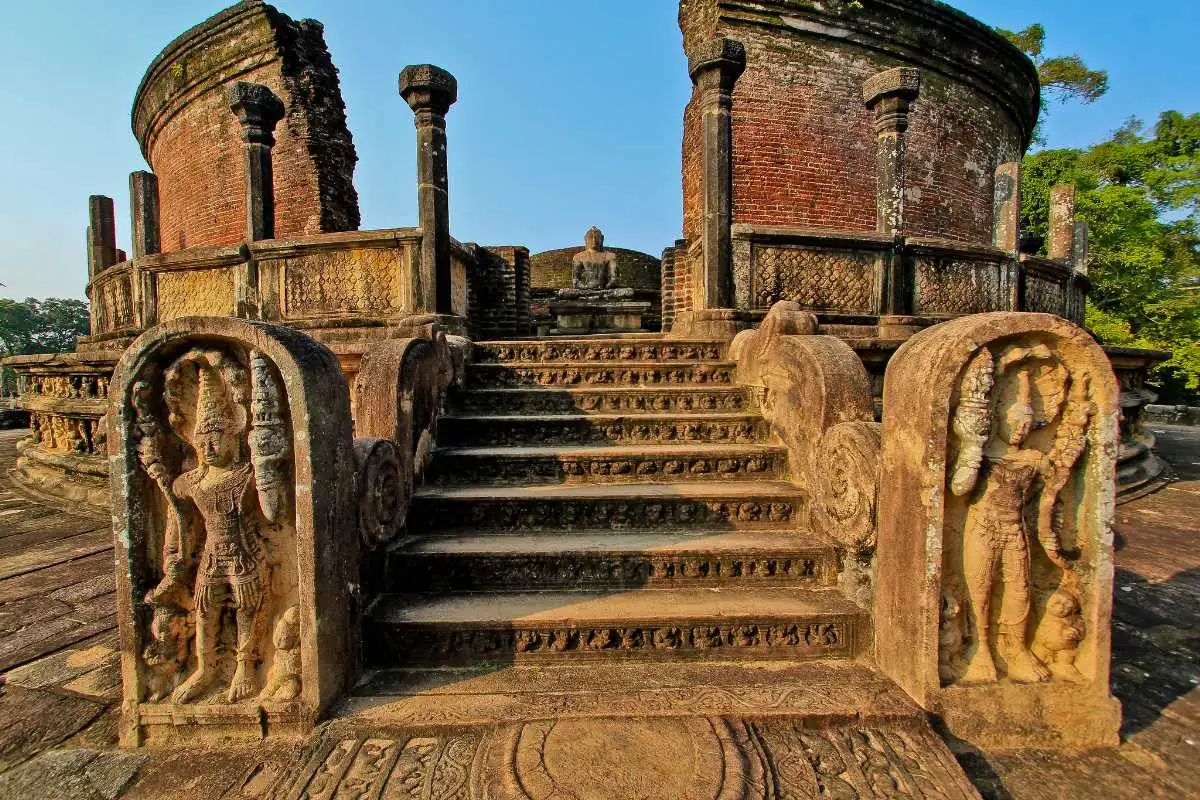
A journey through Sri Lanka's historic capitals, stupas, rock fortresses, and water engineering — Anuradhapura, Polonnaruwa, Sigiriya, and Kandy.
Reserve an Experience
Our travel specialists craft bespoke itineraries around your vision — from first enquiry to final farewell.
No commitment required
Response within 24 hours
Fully tailored itinerary